


The Souvenir Market in 2026: What's Selling and What's Dying on Tourist Gift Shop Shelves
A data-driven guide for Canadian gift shop owners navigating the biggest shift in souvenir purchasing behaviour in a decade
Gift Shop Magazine Trend Report | Spring 2026
The bottom line: Canadian tourists are spending 15% more per trip on souvenirs in 2026 than they did in 2024, but they're buying 40% fewer items. The souvenir market isn't shrinking—it's maturing. Tourists want quality over quantity, sustainability over disposability, and authenticity over mass production.
If your gift shop still stocks rows of $4.99 plastic keychains and generic "I ♥ [Your City]" t-shirts, you're watching profit walk out the door. The 2026 tourist is fundamentally different from the souvenir buyer of five years ago. They're environmentally conscious, willing to invest in quality, and looking for items that serve a purpose beyond collecting dust on a shelf.
This isn't speculation. The data from Tourism Industry Association of Canada, combined with point-of-sale analytics from over 200 gift shops across British Columbia, Alberta, Ontario, and Quebec, paints a clear picture: the souvenir market has split into winners and losers. Understanding which side of that divide your inventory falls on will determine whether your shop thrives or struggles through 2026 and beyond.
What's Dying: The Souvenir Graveyard of 2026
Let's be blunt about what's no longer working. These categories aren't just declining—they're actively hurting your brand perception with younger tourists who associate them with environmental waste and poor value.
Cheap Plastic Keychains
The plastic keychain market has collapsed by 63% since 2023. Tourists under 45 view them as landfill-bound clutter. Even at $3.99, they're collecting dust while premium metal or wood keychains at $12.99 are selling out. The math is simple: would you rather sell three plastic keychains for $12 total or one quality keychain for $13 with a 60% margin instead of 40%?
The few keychains that still move are made from sustainable materials (bamboo, recycled metal, leather) and serve a function beyond just holding keys—bottle openers, mini multi-tools, or beautifully crafted statement pieces.
Mass-Produced Logo T-Shirts
The generic "I ♥ [City Name]" shirt printed in bulk overseas? Down 58% in sales volume. These shirts telegraph "tourist trap" to savvy travellers. What's worse, at $19.99, they're stuck in no-man's land—too expensive to feel like an impulse buy, too cheap to feel like quality.
The t-shirts that DO sell are locally designed, feature unique artwork or clever copy specific to your region, use quality fabrics (tri-blend, organic cotton), and retail for $32-45. Yes, you'll sell fewer units. But your margin is better, your brand perception is stronger, and you're not competing with every other shop on the block selling identical merchandise.
Breakable Snow Globes and Fragile Trinkets
Air travel restrictions and baggage fees have killed the market for fragile, heavy souvenirs. Snow globes are down 71% since 2022. Tourists aren't going to risk TSA confiscation or pay for bubble wrap and extra careful packing for a $14 item. They want lightweight, packable, or immediately wearable/usable items.
Generic Refrigerator Magnets
Standard flat magnets with stock photos? Dropping fast. The one exception: premium 3D magnets made from quality materials or featuring genuinely unique local designs. But those basic rectangular magnets for $4.99? They're propping up better sellers on your shelf and not much else.
Reality check: One gift shop owner in Banff removed all plastic keychains and generic magnets in January 2025, replacing that shelf space with locally made artisan goods and premium drinkware. Same square footage, 34% higher revenue from that display by December.
What's Rising: The New Souvenir Winners
While old categories decline, new champions are emerging. These aren't fads—they're driven by fundamental shifts in consumer values and travel behaviour.
Premium Reusable Drinkware
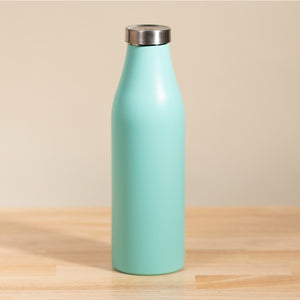
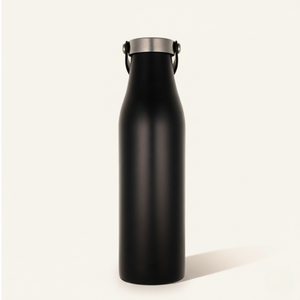
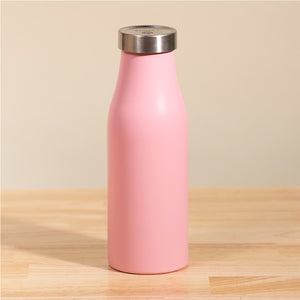
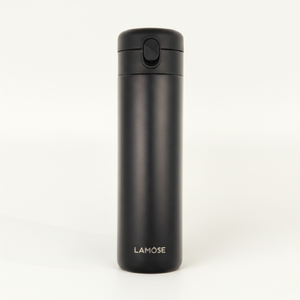
This is the number one growth category in tourist gift shops across Canada. Insulated tumblers, travel mugs, and water bottles are up 127% in sales volume and 203% in revenue since 2023. Why? They check every box for 2026 tourists:
- Functional: Tourists use them daily, keeping your destination top-of-mind every morning
- Sustainable: Replaces disposable cups, aligns with environmental values
- Premium feel: Quality stainless steel construction justifies $38-52 price points
- Packable: Fits in carry-on luggage without issue
- Personalizable: Custom engraving with destination logos adds perceived value
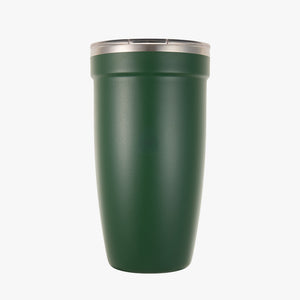
Custom tumblers with insulated flip-top designs are outperforming every other souvenir category. Shops offering on-site personalization (adding a name, date, or custom message) report 40% higher conversion rates and an additional $8-12 in revenue per sale. A basic tumbler at $42 becomes a $50 personalized keepsake.
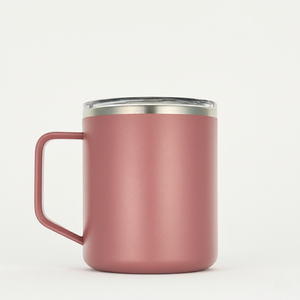
Similarly, insulated mugs designed for travel are crushing traditional ceramic mugs. While ceramic mugs are fragile and tourists worry about breakage, double-walled stainless steel mugs at $35-45 sell consistently. Parents traveling with kids are particularly drawn to colourful kids' bottles featuring fun designs—a $28-38 purchase they justify because their child will use it at school all year.
Locally Made and Artisan Goods
Tourists want authentic, locally crafted items that tell a story. Artisan food products—local honey, craft hot sauce, specialty coffee, maple products—are up 89% year-over-year. These items deliver on the "taste of place" desire while being TSA-friendly and easy to pack.
The winning formula: partner with local makers, clearly communicate the local connection (signage, tags, stories), and price appropriately. A $16 jar of local jam outsells a $6 mass-produced competitor because tourists perceive genuine value and uniqueness.
Handcrafted items from local artisans—pottery, woodwork, textiles, jewelry—command premium prices ($45-200+) and create differentiation. These aren't impulse purchases, but they generate significant revenue per transaction and attract tourists seeking memorable, unique items.
Eco-Friendly and Sustainable Products
According to 2025 Canadian Tourism Commission research, 72% of Canadian travellers actively prefer purchasing eco-friendly souvenirs, and 64% of international tourists visiting Canada say environmental considerations influence their souvenir choices.
Products winning in this category:
- Reusable shopping bags made from recycled materials ($15-22)
- Bamboo or stainless steel straws and utensil sets ($18-28)
- Beeswax food wraps ($16-24)
- Organic cotton apparel with low-impact dyes ($38-65)
- Products packaged in recyclable or compostable materials
The key is authentic sustainability, not greenwashing. Tourists are educated and skeptical. Clear labelling about materials, origin, and environmental benefits builds trust and justifies premium pricing.
Profit insight: A Niagara Falls shop owner reported that switching 30% of inventory to eco-friendly alternatives increased average transaction value from $23 to $37, despite slightly fewer items per purchase. Customers were willing to spend more per item for sustainable options.
The Personalization Boom: Adding $8-15 Per Transaction
On-the-spot personalization is the fastest-growing profit center in tourist gift shops. Simple engraving equipment (starting around $3,500-6,000 for quality machines) pays for itself within months through increased sales and higher margins.
The numbers are compelling: tourists will pay $8-15 extra for personalization on items they were already considering. A $42 tumbler becomes a $50 custom-engraved keepsake. That's a $8 upsell with minimal material cost—the time investment is under five minutes per item.
Most successful personalization options:
- Names and dates: "Sarah - Banff 2026" on tumblers and water bottles
- Custom messages: Short phrases or quotes (maximum 20-30 characters works best)
- Destination logos: Your location's iconic image or landmark
- Coordinates: Geographic coordinates of popular spots
Shops with engraving capabilities report that 35-45% of customers purchasing drinkware opt for personalization. That's nearly half your customers willingly paying more for an upgrade that costs you pennies to deliver.
Beyond engraving, consider vinyl decal customization, embroidery services (for hats, bags, apparel), or partnership with local artists who can do custom illustrations while tourists browse.
The "Useful Souvenir" Revolution
The fundamental question tourists ask has shifted from "Will this remind me of my trip?" to "Will I actually use this?"
Tourists increasingly reject purely decorative items in favour of functional products that integrate into daily life. A tumbler used every morning provides hundreds of brand impressions—daily reminders of a wonderful trip. A decorative plate sits in a cupboard and is forgotten.
This shift explains why certain categories are exploding:
- Drinkware: Used daily at home or office
- Quality apparel: Worn regularly, not just around the house
- Kitchen items: Cutting boards, tea towels, utensils—functional and decorative
- Outdoor gear: Hats, beanies, technical socks for active tourists
- Stationery and notebooks: Actually used, not shelved
The implication for inventory planning is clear: evaluate every product through the "usefulness" lens. Ask yourself: "Will this customer actually use this item regularly, or will it sit in a drawer?"
This doesn't mean abandoning all decorative items—art prints, ornaments, and display pieces still have their place. But the ratio has shifted. In 2020, successful shops might have run 60% decorative / 40% functional. In 2026, that's inverted to 35% decorative / 65% functional.
Experience-Based Souvenirs: Beyond the Physical Product
Forward-thinking shops are adding experiential elements that enhance product value and create differentiation:
QR Codes Linking to Digital Experiences
Embedding QR codes on product tags or packaging that link to:
- Video of the artisan creating the product
- Virtual tour of the location featured on the item
- Recipes using local food products
- Playlist of local music
- Historical information about landmarks or designs
These digital add-ons cost almost nothing to implement but significantly increase perceived value. A $35 cutting board becomes a $35 cutting board PLUS a virtual cooking class featuring local ingredients.
The Story Behind the Design
Tourists want context. Detailed hangtags or shelf signage explaining the story behind products—why this design, what it represents, who made it, the cultural significance—dramatically increase conversion rates.
One shop in Halifax added detailed story cards to their locally made jewelry line. Sales increased 43% despite not changing prices or products. The only difference was storytelling.
Augmented Reality Experiences
While still emerging, some shops are experimenting with AR filters and experiences tied to products. Scan a product with your phone, and an AR filter appears showing you at a famous landmark. These are attention-grabbing, shareable on social media, and create buzz.
Implementation costs are dropping rapidly. Companies now offer white-label AR solutions for tourism businesses starting under $200/month.
The Local and Authentic Imperative
This cannot be overstated: tourists are done with obviously imported goods with generic city names printed on them. They want authenticity.
The problem is, "local" and "authentic" are subjective and easily faked. Your job is to prove authenticity through:
- Clear labelling: "Made in [your province]" or "Designed locally by [artist name]"
- Artist partnerships: Display photos of makers, host occasional meet-and-greets
- Transparent sourcing: Don't hide that some items are made elsewhere—just be honest about which ones
- Local design, even if not locally manufactured: A shirt printed overseas but featuring unique artwork by a local artist is more authentic than generic clipart
Authenticity commands premium pricing. A $48 locally made soap outsells a $12 mass-produced alternative because tourists perceive genuine value and uniqueness. They're buying a piece of the place, not just a product.
Consider creating a dedicated "Local Makers" section in your shop. This curatorial approach helps tourists quickly find authentic items and positions your shop as a supporter of the local community—which builds brand loyalty and positive word-of-mouth.
Authenticity pays: A Victoria shop owner increased their "locally made" section from 15% to 60% of inventory over 18 months. Average transaction value increased from $28 to $51, and their Google review rating jumped from 4.1 to 4.8 stars, with customers specifically praising the authentic local products.
The Kids Market: An Overlooked Profit Center
Family travel is rebounding strongly, and parents are surprisingly willing to invest in quality kids' products during trips. The key word is "quality."
Parents reject cheap plastic toys that will break before reaching home. Instead, they're drawn to items their children will actually use:
- Quality water bottles: Fun designs featuring local landmarks, animals, or themes—$28-38 price range
- Educational items: Books about local wildlife, history, or geography—$16-28
- Activity sets: Nature exploration kits, art supplies with local themes—$22-35
- Quality stuffed animals: Representing local wildlife, not generic teddy bears—$25-45
- Apparel that actually fits: Quality kids' t-shirts, hoodies, hats in proper sizes—$24-38
Fun printed kids' bottles with vibrant designs are particularly strong sellers. Parents love that their child will use the bottle at school, during sports, and on future trips—it's a $35 purchase that delivers months of use and hundreds of positive associations with the vacation.
The mistake many shops make is treating kids' products as an afterthought—a small corner with leftover space. Smart shops dedicate prominent, eye-level retail space to quality kids' items and see strong returns. Kids influence family purchases, and keeping children engaged in the shop keeps families browsing longer, which increases overall transaction values.
Premium Pricing Acceptance: The $45 Tumbler is the New Normal
This is perhaps the most important shift for shop owners to internalize: tourists have demonstrated clear willingness to pay premium prices for quality souvenirs.
The data is unambiguous. Average souvenir spending per tourist is up 15% in 2026 compared to 2024, but the number of items purchased is down 40%. Tourists are buying fewer items at higher price points.
What this means practically:
- A $45 premium tumbler outsells three $15 basic mugs
- A $65 quality hoodie moves faster than five $12 t-shirts
- A $38 artisan chocolate box beats six $6 candy bars
Tourists would rather own ONE item they genuinely love and will use repeatedly than five items destined for the back of a closet or the garbage.
This shift requires confidence in your pricing. Many shop owners undervalue their products, assuming tourists won't pay premium prices. The evidence says otherwise—as long as the quality, design, and story justify the price.
Consider this framework for pricing:
- Entry-level: $12-22 (small items, magnets, stickers, postcards)
- Mid-range: $25-45 (quality drinkware, apparel, small artisan goods)
- Premium: $48-85 (personalized items, larger artisan pieces, quality apparel)
- Luxury: $90-250+ (significant artisan works, high-end local products)
Your inventory should be weighted toward the mid-range and premium tiers, with entry-level items for impulse purchases and luxury items as aspirational anchors that make mid-range items feel reasonably priced by comparison.
Stock It / Skip It: Your 2026 Buying Guide
| STOCK IT ✓ | SKIP IT ✗ |
|---|---|
|
Insulated tumblers & travel mugs $38-52 retail | 60-70% margins High perceived value, daily use |
Cheap plastic keychains $3-5 retail | declining 63% YoY Environmental concerns, low perceived value |
|
Premium kids' water bottles $28-38 retail | strong family appeal Parents justify investment for school/sports use |
Generic "I ♥ City" t-shirts Mass-produced, no differentiation Down 58% in sales volume |
|
Locally made artisan goods $25-150+ retail | authentic stories Creates shop differentiation |
Breakable snow globes Heavy, fragile, TSA concerns Sales down 71% since 2022 |
|
Artisan food products $14-45 retail | "taste of place" Up 89% year-over-year |
Basic flat magnets Commodity item, no differentiation Margins squeezed, declining interest |
|
Reusable bags (recycled materials) $15-28 retail | sustainability appeal Functional, aligns with values |
Decorative-only trinkets Dust collectors with no function Tourists want useful items |
|
Quality hoodies with unique designs $55-75 retail | premium apparel Actually worn, not just kept as memento |
Disposable/single-use items Conflicts with sustainability values Negative brand perception |
|
Items with personalization options Add $8-15 per sale | minimal cost 35-45% of customers opt in |
Obvious imports with city names added "Made in China" with sticker slapped on Tourists want authenticity |
|
Outdoor gear (hats, beanies, tech socks) $22-45 retail | functional Appeals to adventure tourists |
Low-quality plush toys Generic designs, poor construction Parents reject for their children |
Action Plan: Transitioning Your Inventory for 2026
Understanding the trends is valuable. Acting on them is profitable. Here's a phased approach to modernizing your inventory without blowing your budget or leaving shelves empty:
Phase 1: Audit and Analyze (Week 1-2)
Pull sales reports for the past 12-24 months. Identify your bottom 20% performers—products that aren't earning their shelf space. Calculate revenue per square foot for different product categories. This data tells you what's actually subsidizing what.
Walk through your shop with fresh eyes. What percentage of your inventory falls into "dying" categories versus "rising" categories? Be honest.
Phase 2: Test Without Major Investment (Week 3-8)
Don't overhaul everything at once. Start by replacing your bottom performers with small test orders of trending categories:
- Order 2-3 dozen premium tumblers in popular colours with your destination branding
- Add 1-2 local artisan partners on consignment (zero upfront cost)
- Test a dozen quality kids' bottles with fun designs
- Source 3-4 local food products from small producers
Track these test products closely. Compare their performance to existing inventory in similar price ranges.
Phase 3: Double Down on Winners (Week 9-16)
Once you've identified what's working, scale up. Discontinue more underperformers and replace with deeper inventory of proven sellers.
This is when to consider adding engraving capabilities if tumbler and drinkware sales are strong. A $4,500 investment in quality engraving equipment pays for itself within months if you're moving 20-30 tumblers weekly.
Phase 4: Reposition Your Brand (Ongoing)
As your inventory shifts toward quality, sustainability, and local goods, update your marketing and in-store messaging:
- Signage highlighting local makers and sustainable products
- Social media content featuring artisans and product stories
- Website updates emphasizing authentic, quality goods
- Staff training on product stories and sustainability features
Your shop should communicate "curated quality" rather than "tourist trap." This attracts higher-spending tourists and builds repeat business and referrals.
The Bottom Line: Adapt or Get Left Behind
The souvenir market isn't dying—it's evolving rapidly toward quality, sustainability, functionality, and authenticity. Shop owners who recognize and adapt to these shifts are seeing higher revenues, better margins, and stronger customer loyalty.
Those clinging to cheap plastic imports and generic merchandise are watching sales decline while competitors thrive.
The good news? This transition favours independent shops over chains. Tourists seeking authentic, local goods prefer independent retailers. Your ability to partner with local makers, tell authentic stories, and curate unique inventory is your competitive advantage.
The 2026 tourist is willing to spend money in your shop—more money than ever, in fact. Your job is to give them products worth buying. Make that shift, and you'll find this new souvenir market far more profitable than the old one.
Ready to Modernize Your Souvenir Inventory?
Explore premium drinkware options with custom destination branding, add personalization capabilities to increase transaction values, and start offering products tourists will actually use and love.
The market has spoken: quality and authenticity win in 2026.
Frequently Asked Questions
How much should I invest in premium drinkware inventory to start?
Start conservatively with 2-3 dozen units (mix of tumblers and travel mugs) in popular neutral colours. At wholesale costs of $18-24 per unit and retail prices of $38-52, this represents an initial investment of $430-720. Track sales velocity for 4-6 weeks. If you're moving 8-12 units weekly, double your inventory. Most shops find drinkware becomes a top-3 revenue category within 8-12 weeks, justifying larger orders for better wholesale pricing.
Is engraving equipment really worth the investment for a small shop?
Absolutely, if you're selling premium drinkware. Quality fiber laser engraving machines start around $4,500-6,000. If you sell 20 tumblers weekly with 40% opting for $10 engraving, that's $80/week or $4,160 in additional annual revenue with minimal operating costs. The machine pays for itself in 12-15 months, then becomes pure profit. Plus, personalization increases conversion rates on base products by 15-25% because customers perceive significantly higher value.
How do I find legitimate local artisans to partner with?
Start with local craft fairs, farmers' markets, and artisan co-ops. Contact your regional arts council or chamber of commerce for directories. Visit galleries and studios. When approaching artisans, propose consignment arrangements initially (you only pay when items sell, typically 60/40 or 50/50 split). This minimizes risk for both parties. Look for makers whose aesthetic matches your shop's brand and whose production capacity can keep up with your needs. Start with 2-3 artisans and expand gradually.
What if tourists complain about higher prices?
Price resistance is rarely about the actual price—it's about perceived value. When tourists understand WHY something costs $45 (premium materials, local craftsmanship, sustainability, functionality), they happily pay. Train staff to explain value: "This tumbler is double-walled stainless steel that keeps drinks cold for 24 hours, and it's made locally. The engraving is permanent, so this becomes a lasting reminder of your trip that you'll use every day." Focus on value, not price. Also, maintain some lower-priced items ($8-18) for budget-conscious tourists—just don't let them dominate your inventory.
How quickly should I phase out underperforming inventory?
Don't liquidate everything immediately—that's bad cash flow management. Instead, stop reordering underperformers and let existing stock sell naturally while you introduce new products. For truly dead inventory (hasn't moved in 6+ months), consider aggressive discounting (50-70% off) to clear space, bundle deals, or donation for tax write-offs. Your goal is steady transition over 6-12 months, not overnight revolution. Replace your bottom 20% first, assess results, then tackle the next tier.
What's the ideal inventory mix for a small tourist gift shop in 2026?
Based on current sales data across successful shops: 35-40% premium drinkware and functional items, 20-25% locally made artisan goods, 15-20% quality apparel and accessories, 10-15% artisan food products, 5-10% kids items, 5-10% entry-level impulse buys (stickers, postcards, magnets). This mix emphasizes high-margin functional items while maintaining variety. Adjust based on your specific location—beach towns might weight toward outdoor gear, mountain destinations toward cold-weather apparel, urban areas toward artisan goods.
How do I market my shop's shift toward quality and sustainability?
Update your Google Business Profile and website to emphasize "locally made," "sustainable," "artisan," and "quality" in descriptions. Post Instagram/Facebook content featuring artisans, behind-the-scenes of engraving, close-ups of product quality and materials. Create in-store signage highlighting sustainability initiatives: "Over 60% of our products are made locally or from sustainable materials." Train staff to mention these features during customer interactions. The key is authenticity—show, don't just tell. Customers quickly detect greenwashing but respond enthusiastically to genuine commitment.
Should I completely eliminate all low-cost items?
No—maintain a selection of entry-level items ($8-15) for budget-conscious tourists and impulse purchases. The difference is quality and purpose. Replace cheap plastic keychains with quality stickers, postcards, or small artisan items at similar price points. These items serve as affordable entry points and can be added to larger purchases. The key is that even your lowest-priced items should meet quality and sustainability standards. Think "affordable" not "cheap." Every item in your shop should be something you'd be proud to own.
Stock Your Gift Shop with LaMose
Canadian-made. Custom branding. Bulk pricing. 5D printing.